Reading Mary Oliver's Invitation:

Oh do you have time
        to linger
                for just a little while
                       out of your busy

and very important day
        for the goldfinches
                that have gathered
                       in a field of thistles

for a musical battle,
        to see who can sing
                the highest note,
                       or the lowest,

or the most expressive of mirth,
        or the most tender?
                Their strong, blunt beaks
                       drink the air

as they strive
        melodiously
                not for your sake
                       and not for mine

and not for the sake of winning
        but for sheer delight and gratitude—
                believe us, they say,
                       it is a serious thing

just to be alive
        on this fresh morning
                in the broken world.
                       I beg of you,

do not walk by
        without pausing
                to attend to this
                       rather ridiculous performance.

It could mean something.
It could mean everything.
It could be what Rilke meant, when he wrote:
You must change your life.

What Does It Mean to Change Your Life ?
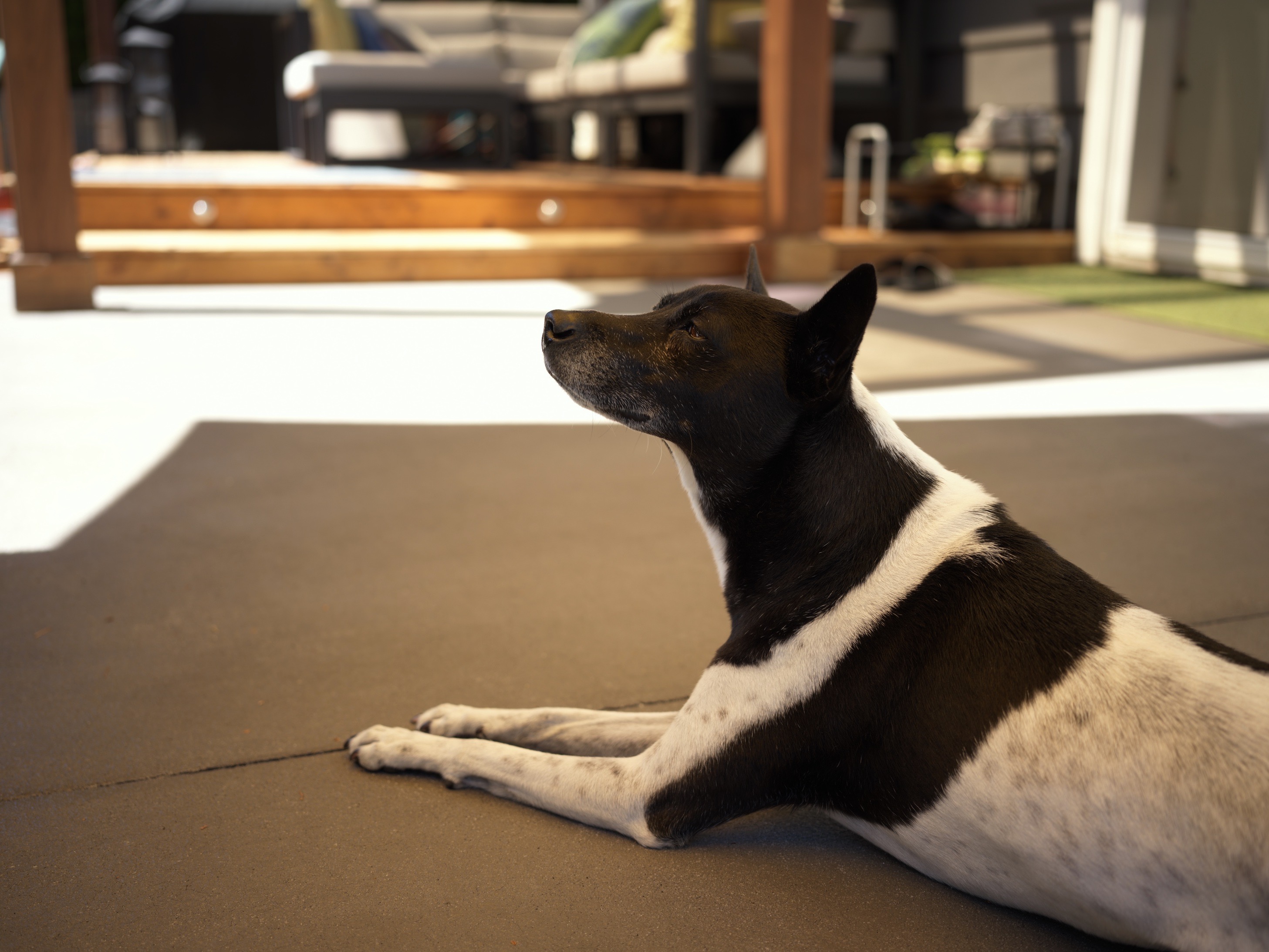
The meaning of the poem lies in the last line: you must change your life to become something else and yes, to become something beyond yourself. As in the butterfly who dreams and maybe turns into a human. But that doesn't really matter. The question was never about the object of metamorphosis. No one really cares what the butterfly later becomes. It only matters that it can. And it now possess a human quality, for to dream is a human thing. To stop being human then, we must also cease to dream, or at least not in our way. It is in this way of removing the structural hierarchy of objects that you descend into the simulation of the tree, the sun, or the shadows. The dialectic gap among objects fuse together, like the formation and foundation of cells, equating to a deeper and darker shadow, for the parts that you are made of have now grown deeper and richer, and you are now more abundant and ambitious. That's how I think about it anyways, so if you see me standing beneath a tree, smiling as I look up, its because I'm thinking of what the tree must be feeling, of what it means to bath under the sun, and dream perhaps, of what it means to be wondered upon so passionately by a human. That's how it goes--what my dog and I think about during our morning, afternoon, and evening walks together. Yes, I want to see the moon against a black, velvet sky; yes, the forecast has told me and prepared something; yes, my dog favors both the flowers and trash; yes, I often wonder what the moon smells like.

A Modern Comparison to Rilke
Based on Mary's last reference to Rilke, if today a reader on Instagram or X came across her poem, I think this would probably happen:
The difference between “you must change your life” and ” you must change your life– Rilke,” is that one is from a Instagram influencer, while the other is a German poet. So which one do I trust more? Probably the first one. Because that’s all I see. It’s on Youtube, Instagram, Facebook, X, whatever you can think of. Probably a poster in a washroom too. The dissemination of information is more prominent and insidious than ever. They–the influencers–are everywhere. Or they–the ones who wish to profit from them–are everywhere. The influencers are the direct host to two kind of parsites. One are the people who continue to prey on them–corporates, people, impersonating bots, the washroom–and the other is the platform that they exist on
are just branches on a tree, extending relations among relations, even down to the very bottom of the roots. So, while dining at a local, suburban restaurant, we might suddenly stay encouraged due to the awkward but hopeful encounter of the bathroom poster. It aligns with our vision, the owners would say. Then, maybe you feel “happy” here and would most likely recommend this place to another person. Or even better, you’d just come back again and bring your friends. Well, have you dined with us before? Oh! why yes, I have, I really enjoyed the wine that you brought me. Oh! how wonderful. I have another bottle just in today from France that I’ll have you and all your friends have a taste.” Well, that dinner just suddenly got even better, not to mention the generous tip. So, you say, how do I know whether there’s an influencer next to me? I don’t. I don’t need to know something when its all around me. And this is how, I think, we slowly begin to forget the poet.

 YuHeng's blog
Leave a comment